



Watch Full World Safety Day 2026 RoundTable Click Here
The African Safety, Health and Environmental Professional Association, ASHEPA, marked World Safety Day 2026 with a special HSE Roundtable focused on one of the most urgent and emerging challenges in modern occupational safety and health: psychosocial working environments in Africa.
Held under the theme “Psychosocial Working Environments in Africa: Realities, Risks & Solutions,” the event brought together leading professionals in health, safety, environment, occupational health, human resources, engineering, construction, energy, public health, and organizational leadership. The discussion provided a timely platform for African HSE leaders to examine how stress, fatigue, workload pressure, unclear roles, poor communication, economic instability, workplace culture, and leadership behavior influence worker wellbeing, safety performance, and organizational resilience.
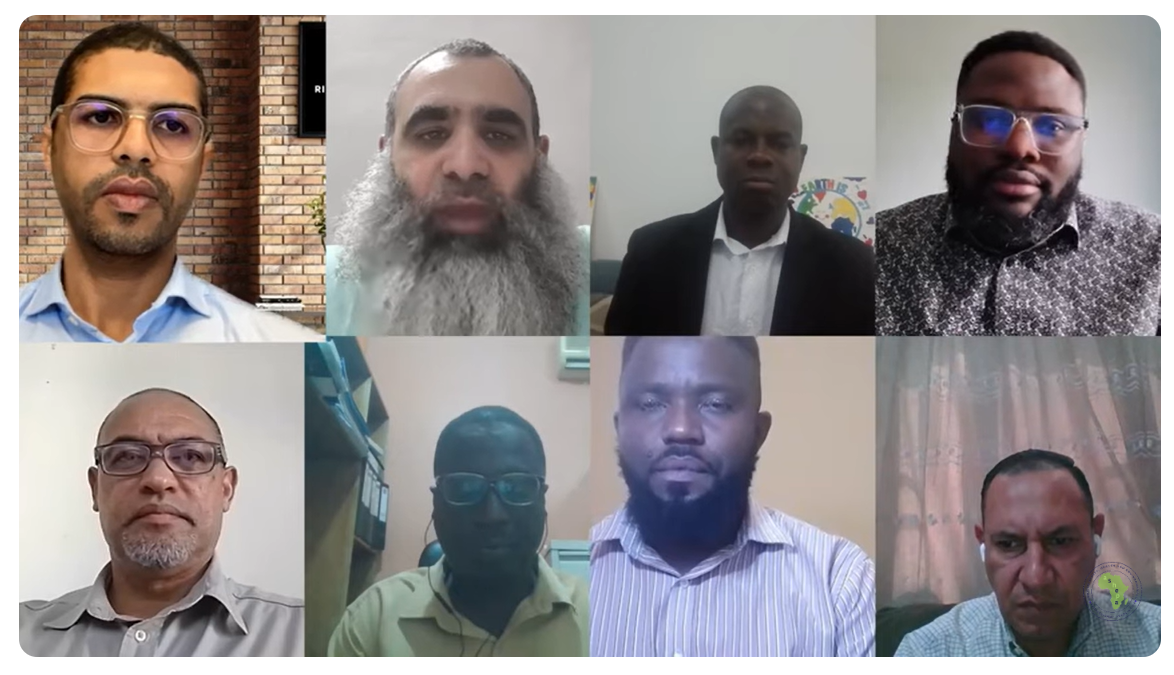
The roundtable was hosted by Hussein Mohamed Fikry, ASHEPA Executive Committee Member and Country Representative for Egypt, and co-hosted by Wilson Ronnie Odoom, President of ASHEPA. The featured panelists included Philemon Olusegun from the United Kingdom, Calmin Andrew Henneberry from South Africa, Mohamed Amine Zahr from Morocco, Dr. Graigy Kafwimbi from Zambia, Chezrie Nyarko Takyi Degraft from Ghana, and Dr. Ahmed Nasr, an expert in HR and organizational transformation.
A Timely Conversation for African Workplaces
World Safety Day provides an important opportunity for organizations, regulators, employers, workers, and safety professionals to reflect on the changing nature of workplace risks. While traditional hazards such as machinery, chemicals, working at height, confined spaces, transport, and fire remain critical, the ASHEPA roundtable emphasized that psychosocial hazards must now be treated as core occupational safety and health risks.
Psychosocial hazards are not simply “wellbeing issues” or personal matters. They are workplace risk factors that arise from how work is designed, organized, managed, communicated, and experienced. These hazards may include excessive workload, long working hours, low job control, unclear responsibilities, poor supervision, bullying, harassment, lack of recognition, weak communication, job insecurity, economic pressure, and organizational change.
For African workplaces, the discussion highlighted that these risks are often intensified by broader realities such as high unemployment, wage insecurity, limited resources, extended family responsibilities, cultural hierarchy, economic volatility, and limited access to mental health support. These pressures can affect workers’ concentration, decision-making, communication, risk perception, and willingness to speak up.
Psychosocial Risks Are Real Safety Risks
A central message from the event was clear: psychosocial hazards can directly contribute to incidents, unsafe acts, absenteeism, turnover, low productivity, and poor organizational performance.
Panelists shared real-world examples showing how stress, fatigue, financial pressure, family conflict, unclear expectations, and poor communication can undermine even well-established safety systems. Several contributors noted that workers may be trained, competent, and provided with procedures and personal protective equipment, yet still make unsafe decisions when they are psychologically overloaded or emotionally distressed.
One example discussed during the session involved stress and distraction contributing to a frontline operational error, while another highlighted how financial pressure and uncertainty among workers escalated into serious site safety concerns. These stories reinforced the need for organizations to look beyond visible hazards and recognize the human and organizational factors that influence safety outcomes.
The roundtable emphasized that when people are exhausted, afraid, unsupported, confused, or under extreme pressure, safety performance is affected. Stress can reduce situational awareness, impair memory, weaken judgment, and increase the likelihood of shortcuts. Fatigue can slow reaction time, reduce attention, and increase errors. Poor communication can cause misunderstanding, unsafe assumptions, and coordination failures.
In this sense, psychosocial risk management is not separate from HSE. It is part of effective risk management.
Key Themes Discussed
1. Workload, Fatigue, and Unrealistic Demands
Across African workplaces, workload pressure was identified as one of the most common psychosocial hazards. Workers are often expected to deliver more with fewer resources, tighter deadlines, and limited staffing. In some sectors, long shifts, extended availability, and poor rest practices contribute to chronic fatigue.
The panel noted that “too much work and too little time” is one of the most common complaints from workers. Over time, unmanaged workload can lead to burnout, reduced engagement, increased sickness absence, and unsafe performance.
A healthy psychosocial working environment requires fair workload allocation, realistic deadlines, adequate staffing, proper rest periods, and supervisors who are trained to recognize early signs of overload.
2. Role Clarity and Communication
Several panelists emphasized that confusion creates stress. When workers do not clearly understand their roles, responsibilities, reporting lines, priorities, or performance expectations, pressure increases quickly.
Dr. Ahmed Nasr highlighted the importance of clarifying roles and expectations as one of the simplest and most immediate actions leaders can take to reduce psychosocial risk. Clear expectations reduce ambiguity, improve accountability, and help employees focus on safe and productive work.
Communication was also identified as a major factor in workplace safety. Poor communication can lead to unclear instructions, weak coordination, hesitation to raise concerns, and failure to challenge unsafe decisions. In high-risk industries, these breakdowns can have serious consequences.
3. Leadership, Trust, and Psychological Safety
The event strongly emphasized the role of leadership in shaping psychosocial working environments. Leaders influence whether workers feel respected, supported, heard, and safe to speak up.
Effective leadership behaviors discussed during the roundtable included active listening, visible support, fair workload management, respectful communication, early intervention, and consistency. Leaders who create trust can reduce fear and encourage employees to report concerns before they become incidents.
Psychological safety was presented as essential for effective HSE performance. In many workplaces, workers may remain silent because they fear blame, job loss, punishment, or being seen as weak. This silence can hide risks until they escalate.
A strong safety culture requires an environment where people can raise concerns, admit uncertainty, ask questions, report fatigue, and challenge unsafe conditions without fear.
4. African Cultural and Socio-Economic Realities
The roundtable gave special attention to the African context. Panelists noted that psychosocial risk cannot be managed effectively by simply copying global models without adaptation. African organizations need practical approaches that reflect local realities.
In many African workplaces, cultural norms may discourage workers from speaking openly about stress, fatigue, emotional strain, bullying, or unfair treatment. Workers may feel pressure to appear strong, resilient, or constantly available. In some environments, hierarchy, gender dynamics, age differences, and social expectations can prevent open communication.
Economic pressure was also highlighted as a hidden driver of psychosocial risk. Workers may continue working while exhausted or distressed because they fear losing income. High unemployment can reduce psychological safety, making workers less likely to refuse unsafe work or report hazards.
These realities make it especially important for African HSE leaders, employers, and policymakers to develop culturally relevant and practical interventions.
5. HR and HSE Collaboration
One of the important messages from the discussion was that psychosocial risk management requires collaboration between HSE and HR. While HSE professionals understand risk, incident prevention, and workplace systems, HR professionals influence job design, role clarity, performance systems, leadership behavior, communication structures, and organizational culture.
The roundtable emphasized that HR should not only respond to employee problems after they occur. HR should work strategically with HSE and business leaders to design healthier systems of work.
This includes reviewing job demands, clarifying roles, improving performance management, developing leaders, managing change effectively, strengthening reporting channels, and addressing bullying, discrimination, and unfair treatment.
Practical Solutions for Organizations
The ASHEPA roundtable was not only a discussion of problems. It also focused on practical solutions that African organizations can implement.
Recommended actions included:
Clarify roles and expectations. Workers should understand what is expected of them, who they report to, how decisions are made, and what priorities matter most.
Train supervisors to recognize early warning signs. Supervisors should be able to identify signs such as withdrawal, sudden silence, irritability, repeated mistakes, low concentration, presenteeism, and increased near misses.
Manage workload fairly. Organizations should review staffing levels, deadlines, overtime, rest periods, and task distribution.
Create safe communication channels. Workers should have confidential and trusted ways to raise concerns about stress, fatigue, bullying, harassment, or unsafe pressure.
Promote respectful leadership. Shouting, threats, humiliation, bullying, favoritism, and unfair treatment should not be tolerated.
Integrate psychosocial risk into HSE systems. Psychosocial hazards should be included in risk assessments, incident investigations, audits, toolbox talks, leadership reviews, and management systems.
Use global frameworks wisely. Standards such as ISO 45003 can guide organizations, but solutions must be adapted to African realities and organizational maturity.
Strengthen rest and recovery practices. Fatigue management, shift planning, and work-life balance should be treated as safety priorities.
Encourage active listening. Leaders should regularly check in with teams, not only on task progress but also on workload, stress, and support needs.
Build evidence and share learning. African organizations need more local data, case studies, research, and practical tools to manage psychosocial risk effectively.
The Role of ASHEPA
A major part of the conversation focused on the role ASHEPA can play in advancing psychosocial wellbeing across Africa.
Panelists encouraged ASHEPA to support the development of regional guidance, capacity-building programs, cross-country collaboration, research, and professional knowledge-sharing. ASHEPA was also encouraged to advocate for stronger integration of psychosocial risk management into national occupational safety and health systems.
As a continental professional association, ASHEPA is well positioned to bring together HSE practitioners, HR leaders, employers, researchers, policymakers, and industry stakeholders to create African-centered solutions.
The event reaffirmed ASHEPA’s commitment to raising safety, health, and environmental standards across the continent and supporting professionals with relevant knowledge, tools, and networks.
A Call to Action for African HSE Leaders
The ASHEPA World Safety Day roundtable closed with a strong call to action: African organizations must move from awareness to implementation.
Psychosocial hazards are not invisible because they are unimportant. They are often invisible because organizations have not yet developed the systems, language, leadership capacity, and culture needed to recognize and manage them.
The message from ASHEPA is clear: protecting workers today requires a broader understanding of risk. A safe workplace is not only one where machines are guarded, PPE is worn, and procedures are followed. A truly safe workplace is also one where people are respected, supported, heard, rested, clear about their roles, and able to speak up without fear.
World Safety Day 2026 provides an opportunity for every African organization to ask important questions:
Are workloads realistic?
Are roles clear?
Do workers feel safe to speak up?
Are supervisors trained to recognize stress and fatigue?
Are leaders listening?
Are psychosocial risks included in our HSE systems?
Are we designing work in a way that protects people and strengthens performance?
The answers to these questions will shape the future of safety, health, wellbeing, and productivity across Africa.
Conclusion
ASHEPA’s World Safety Day 2026 HSE Roundtable demonstrated that psychosocial working environments are now a critical priority for African workplaces. The event brought together diverse professional voices and practical insights from across the continent and beyond, reinforcing the need for stronger leadership, better communication, fairer workload management, improved role clarity, and integrated psychosocial risk management.
As African industries continue to grow and transform, ASHEPA calls on employers, HSE professionals, HR leaders, supervisors, policymakers, and workers to work together in building healthier, safer, and more resilient workplaces.
Psychosocial risk is a safety risk. Managing it is not optional — it is essential for protecting people, improving performance, and advancing sustainable development across Africa.
Watch Full World Safety Day 2026 RoundTable Click Here