



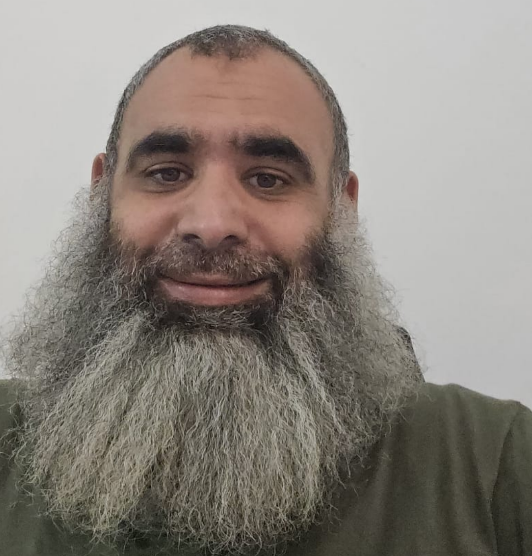
CAIRO — Mr. Hussein Mohamed Fikry, ASHEPA Country Representative for Egypt and host of ASHEPA Round Table, has disclosed that the platform is preparing a special series of interviews and discussions featuring multiple health, safety and environment executives to mark this year’s World Day for Safety and Health at Work on 28 April 2026.
Speaking to ASHEPA HSE News, Mr. Hussein said the upcoming editions of the flagship ASHEPA Round Table programme will focus on this year’s theme set by the International Labour Organisation: “Let’s ensure a healthy psychosocial working environment.”
ASHEPA Round Table is one of ASHEPA’s flagship interview programmes, created to educate the public on occupational safety, health and environmental best practices through expert conversations and professional insight.
Mr. Hussein said this year’s commemoration provides an important opportunity to bring workplace psychosocial health into sharper focus, describing the issue as one of the most urgent and relevant subjects in today’s world of work.
He revealed that Dr Graigy Kafwimbi of Zambia, an occupational health professional and lecturer who is also a Distinguished Fellow Member of ASHEPA, is among the professionals expected to feature on the programme. According to Mr. Hussein, Dr Graigy Kafwimbi will be part of the panel during the World Day for Safety and Health at Work special.
He said the choice of topic reflects the growing need for organisations to look beyond physical hazards and pay closer attention to the mental, emotional and social conditions that shape workers’ wellbeing.
Mr. Hussein told ASHEPA HSE News that psychosocial health in the workplace can no longer be treated as a secondary issue. He noted that many institutions have made progress in addressing visible safety risks, but far less attention has been given to invisible hazards such as workplace stress, burnout, emotional exhaustion, harassment, poor leadership culture, job insecurity, excessive workloads and toxic work environments.
He said these issues have a direct impact not only on individual wellbeing but also on organisational performance, productivity and morale.
According to him, a healthy psychosocial working environment is essential because it affects how workers think, feel, relate to one another and carry out their responsibilities. When workers feel supported, respected and psychologically safe, they are more likely to perform well, communicate openly and contribute positively to the organisation. But when psychosocial risks are ignored, the consequences can include absenteeism, conflict, anxiety, disengagement, low productivity and long-term harm to mental health.
Mr. Hussein said the planned ASHEPA Round Table discussions will aim to unpack these concerns in a practical and professional way, giving viewers a better understanding of what psychosocial risks are, how they show up in workplaces and what employers, practitioners and institutions can do to address them.
He added that the programme will also highlight the importance of leadership, communication, policy, employee support systems and workplace culture in shaping a healthy environment for workers.
Speaking further, Mr. Hussein said the conversation is particularly important at a time when the world of work is rapidly changing. He pointed to rising work pressures, economic uncertainty, changing work arrangements and the wider demands of modern organisations as factors that are increasing psychosocial strain in many workplaces.
He said these realities make it necessary for occupational safety and health professionals to expand the conversation around workplace protection and ensure that psychological wellbeing becomes part of mainstream health and safety practice.
Mr. Hussein noted that ASHEPA Round Table is designed not just for professionals in the field, but also for the wider public. He said the platform serves as an important bridge between technical knowledge and public education, helping audiences understand complex occupational safety, health and environmental issues in a way that is practical, informative and relevant.
He also said the participation of respected professionals such as Dr Graigy Kafwimbi will add depth and credibility to the discussions, especially on a subject that requires both technical expertise and a human-centred perspective.
According to Mr. Hussein, the goal is to ensure that the conversation on workplace health and safety becomes more holistic. He said true worker protection must go beyond compliance and injury prevention to include dignity, mental wellbeing and supportive workplace systems.
He told ASHEPA HSE News that this year’s World Day for Safety and Health at Work should serve as a reminder that protecting workers means addressing the full range of risks they face, including those that are not always immediately visible.
As preparations continue for the 28 April 2026 event, Mr. Hussein is calling on ASHEPA members and the general public to visit the ASHEPA Round Table platform to watch the upcoming interviews and panel discussions.
He said the programme will provide educative content that supports better understanding of occupational safety, health and environmental best practices, while drawing much-needed attention to the importance of ensuring a healthy psychosocial working environment.