



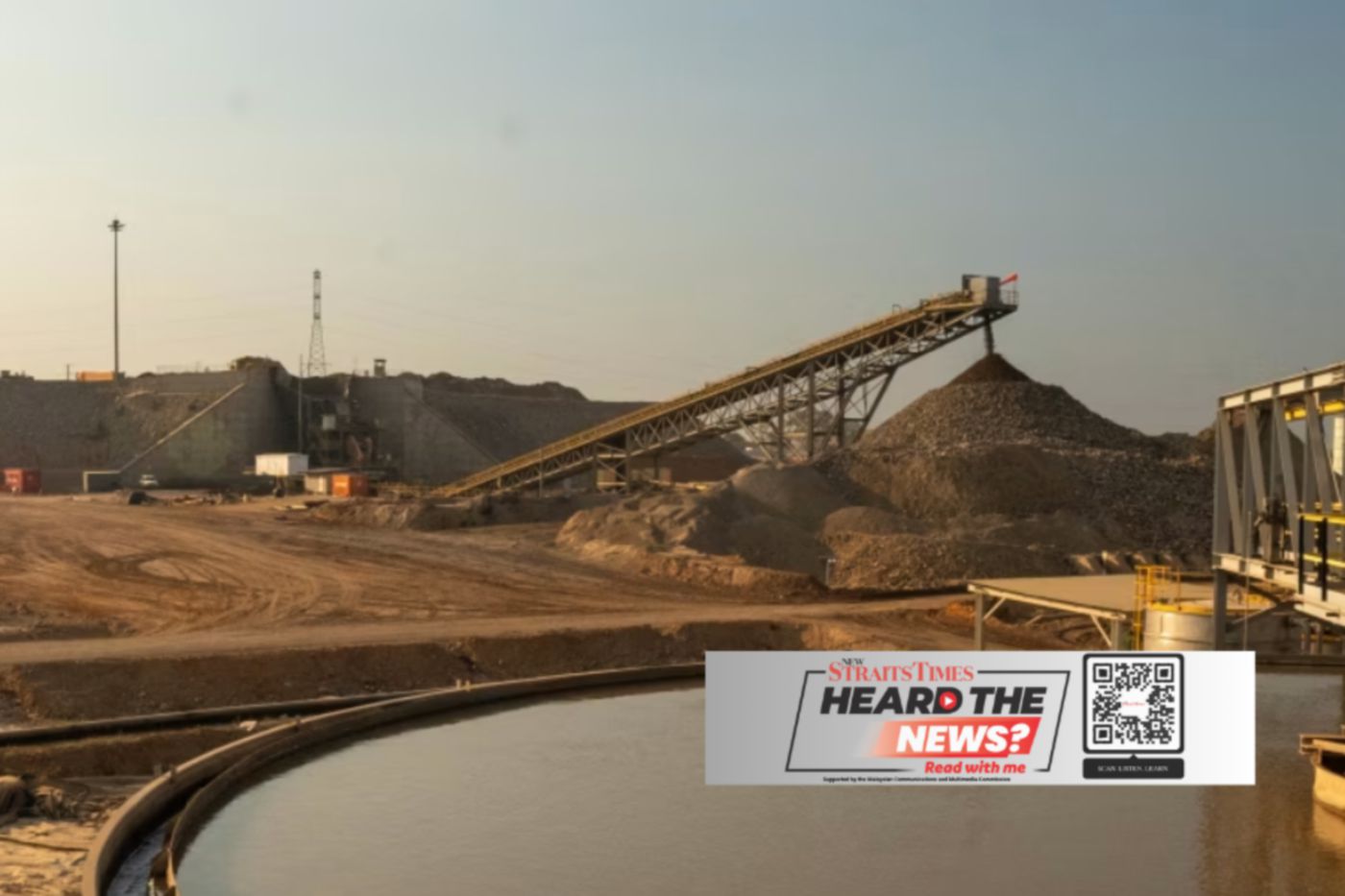
A new investigation has linked pollution from the Chinese-owned Tenke Fungurume cobalt plant in the Democratic Republic of Congo to serious health concerns in nearby communities, raising fresh questions about the human cost of the global clean energy transition.
Pollution from a major Chinese-owned cobalt mining and processing plant in the Democratic Republic of Congo (DRC) has been linked to what an environmental campaign group calls a growing public health crisis in surrounding communities.
The warning comes as global demand for cobalt continues to rise, driven largely by its use in batteries for electric vehicles. The DRC produces more than 70 per cent of the world’s cobalt, making it central to the global shift towards cleaner transport. But for years, that transition has also raised concerns about the environmental and human cost being paid by communities living near mining operations.
A three-year investigation by the Environmental Investigation Agency (EIA) found that since the Tenke Fungurume mine opened in southeast DRC in 2023, people living nearby have reported a disturbing rise in health problems. According to the findings, residents have suffered nosebleeds, persistent coughs, vomiting blood, miscarriages, and birth defects.
The EIA’s report, titled “Toxic Transition,” found that levels of sulphur dioxide, a toxic gas produced during copper-cobalt ore processing, were significantly above international standards.
The Tenke Fungurume mine is owned by China’s CMOC Group Ltd, which the EIA says produces about half of the world’s mined cobalt.
Located in Lualaba province, the plant has the capacity to process 30,000 tonnes of copper-cobalt ore every day, converting it into cobalt hydroxide used in battery cells.
Concerns from nearby communities began emerging in 2023, with residents reporting an increase in respiratory illnesses and maternal health complications that they believed were connected to the plant’s operations.
As part of its investigation, the EIA reviewed more than 1,200 anonymised public health records from a local clinic. The organisation said the records showed patients suffering from nosebleeds, repeated coughs, and vomiting blood at what it described as a “startling rate” after the plant began operations.
The report concludes that CMOC’s Tenke Fungurume operations “have apparently driven large-scale sulphur dioxide emissions that are at the heart of this crisis”.
In response, Tenke Fungurume Mining, the CMOC subsidiary that operates the mine, said it is committed to working safely and addressing concerns raised by nearby communities.
The company maintained that monitoring data collected in late 2024 and early 2025 showed sulphur dioxide levels within regulatory limits. It also argued that no clear link has been established between the expansion of the plant and the health problems reported by local residents.
The case is likely to intensify scrutiny of how critical minerals are sourced as the world accelerates its push for cleaner energy technologies. While cobalt remains essential to battery production, the findings add to growing calls for stronger safeguards to ensure that the clean energy transition does not come at the expense of human health and local environments.