



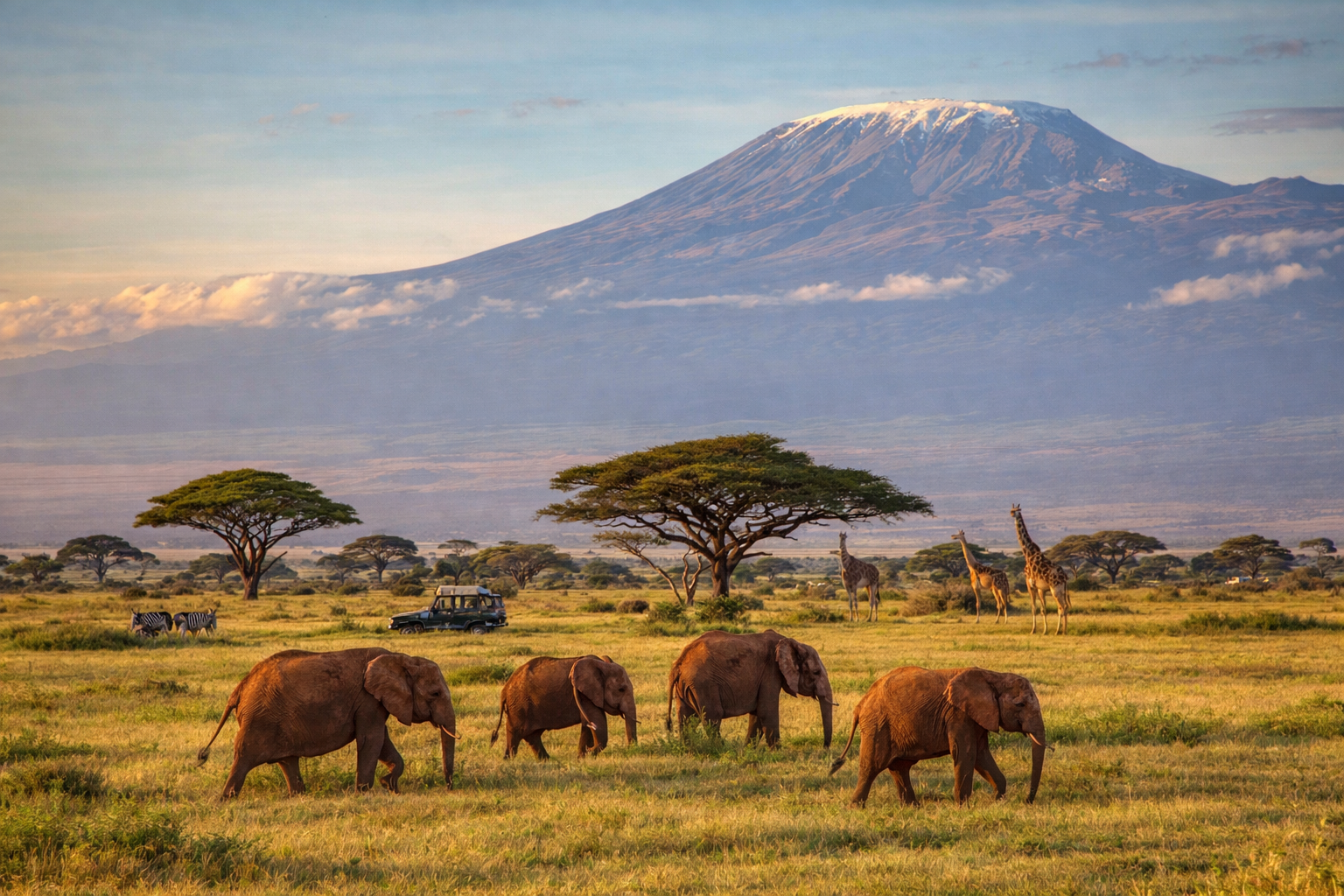
Kenya’s economy and natural environment are deeply linked. From the farms that feed the nation to the landscapes that attract tourists, a healthy environment forms the foundation of Kenya’s prosperity. But this connection is under threat, and the economic cost of nature degradation is becoming increasingly clear.
A World Bank report shared on Tuesday, March 17, 2026, titled Nature’s Bottom Line: The Economic and Financial Costs of Ecosystem Degradation in Kenya, reveals a striking statistic: 44 per cent of Kenya’s GDP comes from sectors that are highly or very highly dependent on ecosystem services.
This includes critical areas such as agriculture, real estate, and construction, all of which rely directly on the health of the natural world.
Unsustainable practices, climate change, and pollution are rapidly weakening these services. This is not just an environmental concern; it also has direct economic consequences, affecting crop yields, water supply, and industrial productivity.
Kenya does not face a total shortage of water but rather suffers from economic water scarcity, meaning significant resources remain untapped. Solutions lie in investing in resilient infrastructure and sustainable water management to protect and utilise the water already available.
As global business moves toward sustainability, Kenya faces “transition risks.” A recent Thomson Reuters Institute study notes that almost two-thirds of trade professionals worldwide now consider ESG compliance across supply chains.
This presents a challenge for Kenya, where sectors with high ecosystem impacts, such as agriculture, support 68 per cent of GDP. Without policy action and nature-based solutions, these sectors risk being affected by new regulations, changing consumer demand, and investor expectations.
Financial sector risks
Nature degradation also threatens Kenya’s financial sector. Banks and other institutions face exposure through loans to sectors that depend on nature. Agriculture is the most obvious example, but real estate and manufacturing, which together account for over 27 per cent of gross loans, are also vulnerable because of their high water use.
Quantifying these risks remains difficult. Limited data prevents a full assessment of nature-related financial exposure, highlighting the need for more detailed sector-level and spatial financial information.
Some Kenyan banks are already taking steps. Supported by the Kenya Banking Association (KBA), they are improving how they manage nature-related risks. Adopting frameworks such as the Taskforce on Nature-related Financial Disclosures (TNFD) marks important progress.
A call to action
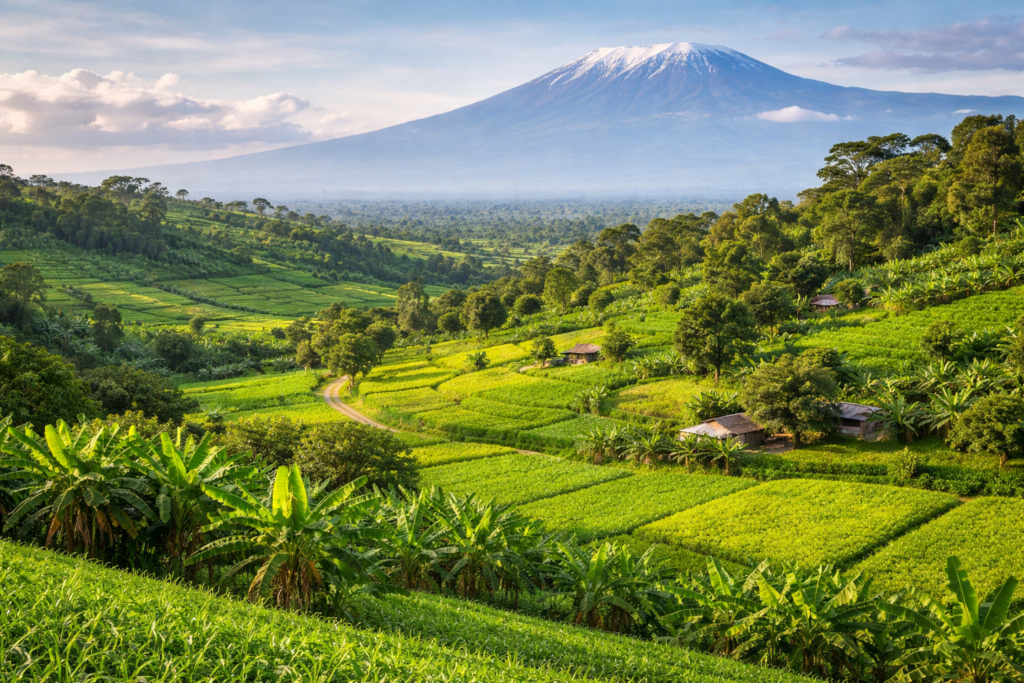
The report calls on all stakeholders to recognise Kenya’s natural capital and include nature-related risks in economic and financial decision-making. This requires raising awareness, improving data collection, identifying risks, providing regulatory guidance, and supporting green finance.
Nature-based solutions, such as agroforestry and watershed restoration, should be central. They help stabilise yields and supply chains while protecting the environment. However, adoption remains limited. To fully benefit, especially for key exports like coffee and tea, incentives must align with nature.
Integrating these solutions into value chains and trade policies can reward producers for preserving ecosystem services.
By combining improved ecosystem management, resilient infrastructure, aligned incentives, and inclusive finance, Kenya can safeguard its natural heritage and secure a sustainable and prosperous future.